 FiligranaPT.pt
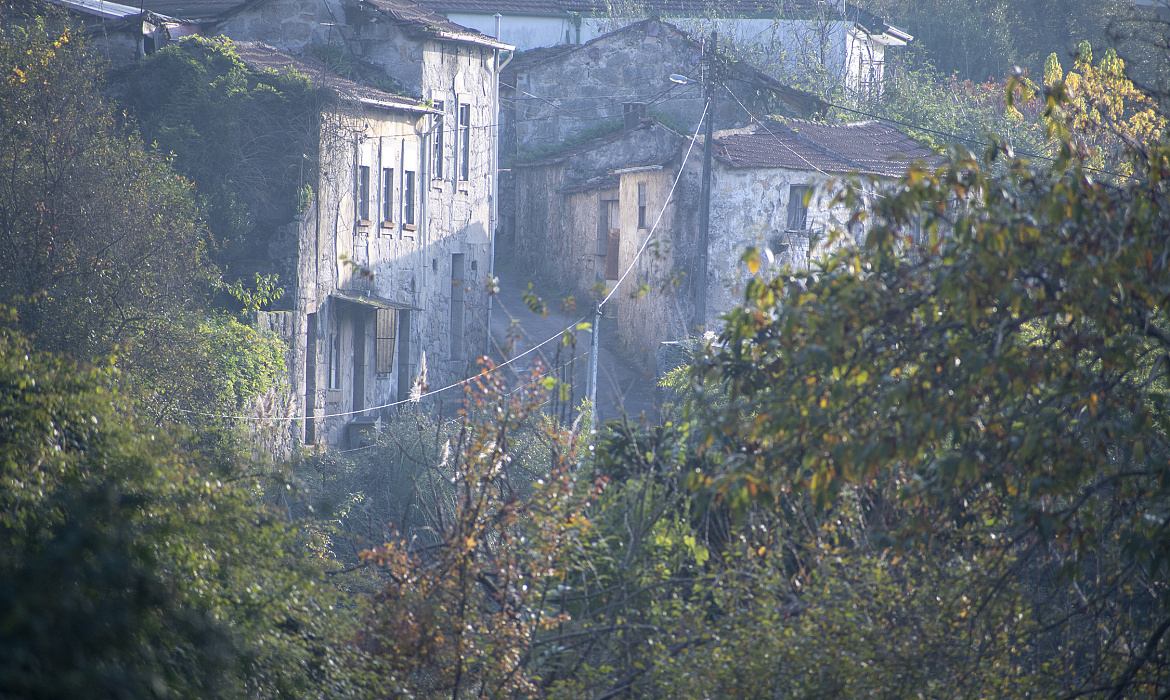
The Golden Filigree Route leads to Gondomar, a small town in the Porto district. It is Gondomar that is recognized as the jewelry capital of Portugal.
The first settlement of the territory of Gondomar dates back to the Bronze Age. The Celts settled here. They were attracted to the hills as defensive positions, water sources and deposits of precious metals.
Scientists associate the origin of the name Gondomar with the Visigothic king Gundemaro, who is believed to have founded a settlement on this territory in the 7th century.
The earliest written mention is dated April 5, 1193.
In the vicinity of Gondomar, gold was mined even before Roman civilization.
During the Roman Empire, the Romans explored traditional gold mining sites and began building mines for mining in northern Portugal.
Gold exploration has been significant.
In the Gondomar region in the mountains these “Roman wells” have been preserved.
With the fall of Roman power and the political and social upheaval caused by the Germanic conquerors, local mining was abandoned and only resumed centuries after the creation of Portuguese territory.
Large-scale mining emerged in the modern era, in the late 19th century, at the peak of the country's industrial revolution.
This period in the history of the Gondomar region is worthy of a separate story. My story is about gold.
The first settlement of the territory of Gondomar dates back to the Bronze Age. The Celts settled here. They were attracted to the hills as defensive positions, water sources and deposits of precious metals.
Scientists associate the origin of the name Gondomar with the Visigothic king Gundemaro, who is believed to have founded a settlement on this territory in the 7th century.
The earliest written mention is dated April 5, 1193.
In the vicinity of Gondomar, gold was mined even before Roman civilization.
During the Roman Empire, the Romans explored traditional gold mining sites and began building mines for mining in northern Portugal.
Gold exploration has been significant.
In the Gondomar region in the mountains these “Roman wells” have been preserved.
With the fall of Roman power and the political and social upheaval caused by the Germanic conquerors, local mining was abandoned and only resumed centuries after the creation of Portuguese territory.
Large-scale mining emerged in the modern era, in the late 19th century, at the peak of the country's industrial revolution.
This period in the history of the Gondomar region is worthy of a separate story. My story is about gold.
Back to list